
Applying for a personal loan can sometimes feel like a complex puzzle. With various lenders, requirements, and terms, it’s easy to feel overwhelmed. The goal is to present yourself as a reliable borrower, and a well-prepared application can make all the difference in achieving a favorable outcome.
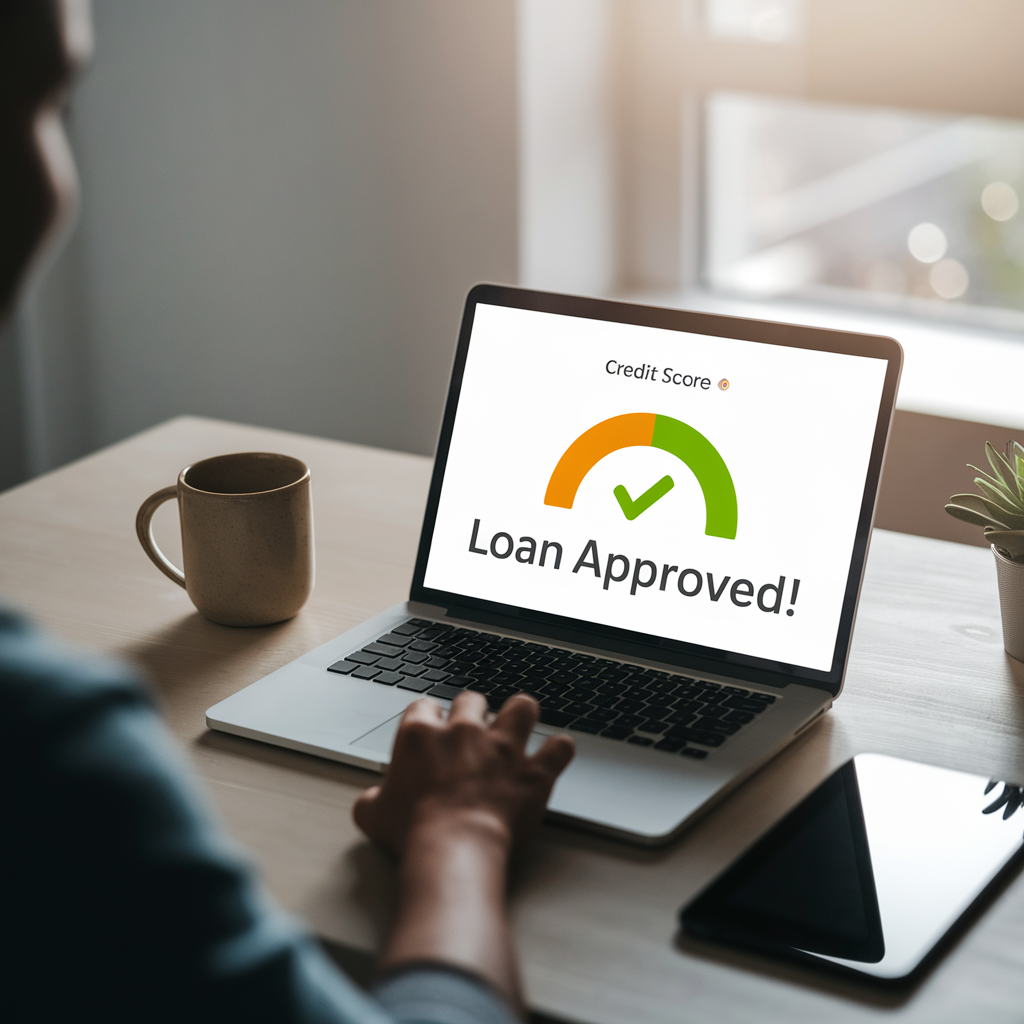
Fortunately, a little preparation goes a long way. By understanding what lenders look for and organizing your information in advance, you can significantly streamline the process. This approach not only saves time but also increases your chances of a smooth and successful application journey.

Understanding the Foundations of a Strong Application
Before you even begin filling out forms, the most crucial work happens behind the scenes. Taking the time to assess your financial standing is the bedrock of a confident application. Lenders are primarily interested in your ability to manage debt responsibly.
Check Your Credit Score
Your credit score is a numerical representation of your creditworthiness. It’s one of the first things a lender will look at. A higher score generally indicates a lower risk, which can lead to better loan terms and interest rates. Before applying, it’s wise to obtain a copy of your credit report from the relevant credit bureaus.
Review it carefully for any errors or discrepancies that could be negatively impacting your score. If you find mistakes, dispute them. If your score is lower than you’d like, consider taking steps to improve it, such as making on-time payments on existing debts and reducing credit card balances. Even small improvements can be beneficial.
Assess Your Financial Health
Beyond your credit score, lenders will look at your overall financial picture. A key metric they often consider is your debt-to-income (DTI) ratio. This is the percentage of your gross monthly income that goes toward paying your monthly debt payments. A lower DTI ratio suggests that you have a good balance between your debt and income, making you a more attractive candidate.
Take an honest look at your budget. Understand exactly how much money is coming in and where it’s going. This will not only help you understand what lenders will see but also help you determine a loan repayment amount that you can comfortably afford without straining your finances.
Preparing Your Documentation
Once you have a clear picture of your financial standing, the next step is to gather the necessary paperwork. Having all your documents ready will prevent delays and show the lender that you are organized and serious. While specific requirements can vary between institutions, most will ask for similar core documents.
Proof of Identity and Income
Lenders need to verify who you are and that you have a stable source of income to repay the loan. It’s helpful to have digital and physical copies of these documents ready.
- Identity Verification: This typically includes a government-issued photo ID, such as a driver’s license or passport.
- Address Verification: Utility bills, bank statements, or rental agreements showing your name and current address are usually sufficient.
- Income Verification: This is critical. Prepare recent pay stubs, bank statements showing direct deposits, or recent tax returns if you are self-employed.
Details of Your Existing Debts
Be prepared to provide information about your current financial obligations. This includes credit card balances, student loans, auto loans, or any other outstanding debts. Lenders use this information to calculate your DTI ratio and understand your complete financial profile.
Key Steps During the Application Process
With your finances assessed and documents in hand, you are ready to navigate the application itself. A methodical approach at this stage can help you secure the most suitable loan for your needs.
Research and Compare Lenders
Don’t simply accept the first loan offer you receive. Different lenders—including traditional banks, credit unions, and online lenders—have different criteria, interest rates, and fees. Take the time to research several options. Look at their reputation, read customer reviews, and compare the terms they offer. A little comparison shopping can result in significant savings over the life of the loan.
Determine How Much You Need to Borrow
It can be tempting to borrow more than you need, but this will only increase your total repayment amount. Be precise about the funds you require for your specific purpose. Create a clear budget for what the loan will cover and stick to it. This responsible approach is not only good for your financial future but is also viewed favorably by lenders.
Read the Fine Print Carefully
A loan agreement is a legally binding contract. Before signing anything, read every line. Pay close attention to the interest rate, the repayment term (the length of the loan), and any associated fees, such as origination fees or prepayment penalties. If there is anything you don’t understand, do not hesitate to ask the lender for clarification. A clear understanding of your obligations is essential.
After You’ve Submitted Your Application
The waiting period after submission can be nerve-wracking, but understanding the final steps can help manage expectations. Whether the outcome is an approval or a rejection, there is a path forward.
Following a review of your application and documents, the lender will provide a decision. If approved, you will receive the final loan documents to sign. Once signed, the funds are typically disbursed within a few business days. If the application is not approved, don’t be discouraged. The lender is often required to provide a reason. Use this feedback constructively. It may be an opportunity to further improve your credit or reduce your DTI ratio before applying again in the future.
Navigating the personal loan application process is about being prepared. By taking a proactive and organized approach, you demonstrate financial responsibility and place yourself in a much stronger position for a positive outcome.