
2026 Personal Loans for Continuing Education: Invest in Yourself
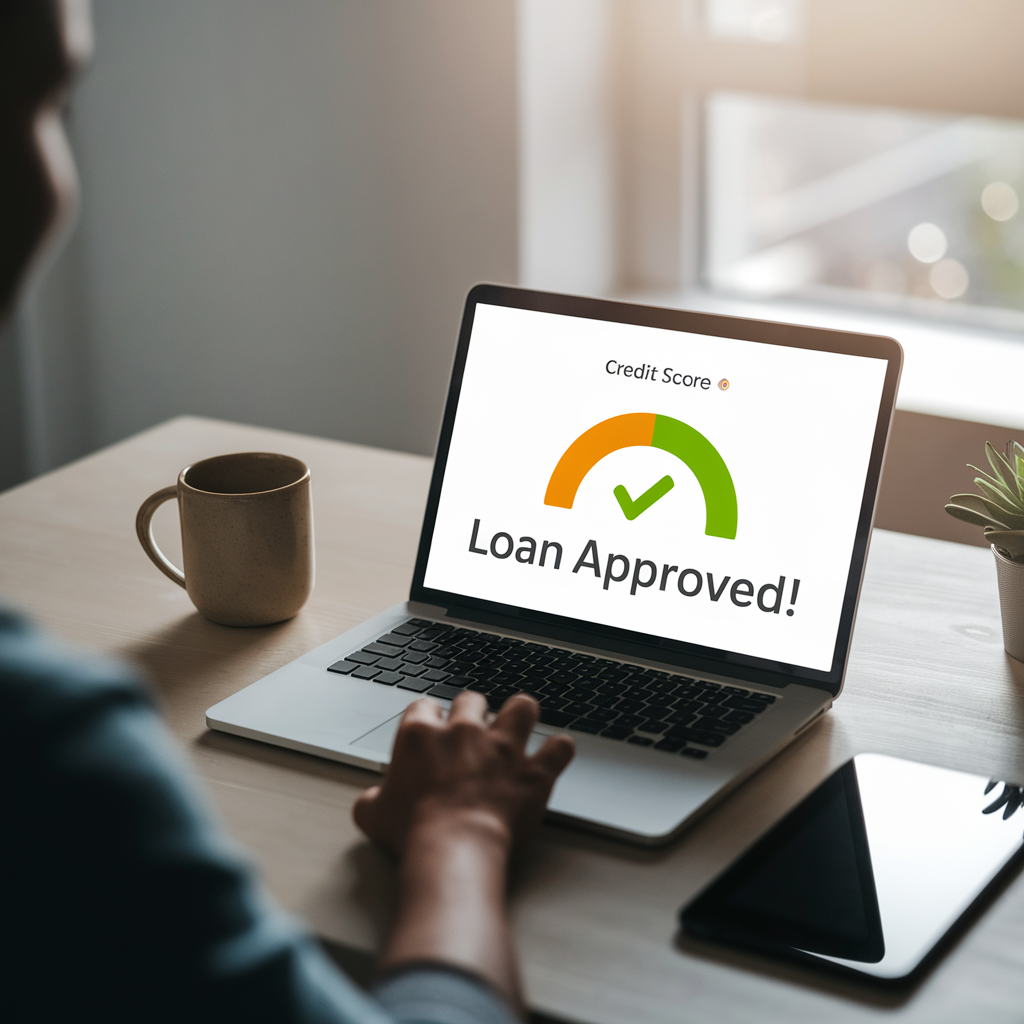
In the ever-evolving landscape of higher education, the importance of lifelong learning has never been more apparent. As we move further into the 21st century, the demand for specialized skills and adaptable knowledge has become increasingly crucial for professional success and personal growth. In 2026, individuals seeking to enhance their educational qualifications and unlock new career opportunities are turning to personal loans as a viable financing solution.

The Changing Landscape of Higher Education
The past decade has witnessed a significant shift in the way we approach education. With the rapid advancements in technology, the job market has become more dynamic and competitive, requiring individuals to continuously update their skillsets to remain relevant and valuable in their respective fields. Moreover, the COVID-19 pandemic has accelerated the adoption of online and hybrid learning models, making it easier for working professionals and those with family commitments to access educational resources and pursue their academic goals.
The Importance of Continuing Education
In this ever-evolving landscape, continuing education has become a necessity rather than a luxury. By investing in their own professional development, individuals can not only enhance their career prospects but also gain a deeper understanding of the complex challenges facing their industries. Whether it’s pursuing a master’s degree, enrolling in specialized certifications, or engaging in ongoing training programs, continuing education empowers individuals to:
- Stay Competitive: Continuously updating your skills and knowledge can give you an edge over your peers, making you a more attractive candidate for promotions, new job opportunities, or even entrepreneurial ventures.
- Adapt to Change: The pace of technological and industry-specific advancements requires professionals to be agile and adaptable. Continuing education helps you stay ahead of the curve, enabling you to navigate shifts in your field with confidence.
- Unlock New Opportunities: By expanding your educational qualifications, you can open the door to new career paths, higher-level positions, or even a complete career change, allowing you to pursue your passions and maximize your earning potential.
- Enhance Personal Growth: Engaging in continuing education not only benefits your professional life but also contributes to your personal growth, fostering a sense of accomplishment, self-improvement, and intellectual stimulation.
The Rise of Personal Loans for Continuing Education
As the demand for continuing education continues to grow, so too has the need for accessible and affordable financing options. In 2026, personal loans have emerged as a popular choice for individuals seeking to invest in their educational pursuits. These loans offer several advantages over traditional student loans or employer-sponsored tuition reimbursement programs, including:
Flexibility and Customization
Personal loans for continuing education are often more flexible than traditional student loans, allowing borrowers to tailor the loan terms to their specific needs. This includes the ability to choose the loan amount, repayment period, and interest rate, enabling individuals to find a financing solution that fits their budget and educational goals.
Faster Approval Process
The application and approval process for personal loans is typically faster and more streamlined compared to the lengthy bureaucratic procedures associated with federal student aid or institutional financial assistance. This expedited process can be particularly beneficial for those who need to access funding quickly to enroll in time-sensitive educational programs or certifications.
Broader Eligibility Criteria
Personal loans for continuing education often have more lenient eligibility criteria than traditional student loans, making them accessible to a wider range of applicants. This includes individuals who may not qualify for federal aid or employer-sponsored tuition assistance, such as those who have already exhausted their student loan options or are seeking to fund non-degree educational programs.
Tax-Deductible Interest
In many cases, the interest paid on personal loans used for continuing education can be tax-deductible, providing an additional financial benefit to borrowers. This can help offset the overall cost of the loan and make the investment in education more financially viable.
Navigating the Personal Loan Landscape for Continuing Education
When considering a personal loan for continuing education, it’s crucial to carefully evaluate the available options and make an informed decision that aligns with your financial goals and educational needs. Here are some key factors to consider:
Loan Amounts and Repayment Terms
Carefully assess the loan amount you require to cover the costs of your educational program, including tuition, fees, and any additional expenses. Additionally, review the repayment terms, such as the loan duration and monthly installments, to ensure they fit within your budget and financial capabilities.
Interest Rates and Fees
Compare the interest rates and associated fees across various lenders to find the most competitive and cost-effective option. Keep in mind that factors such as your credit score, income, and employment status may impact the interest rate you qualify for.
Lender Reputation and Customer Service
Research the reputation and customer satisfaction ratings of potential lenders to ensure you’re working with a trustworthy and reliable financial institution. Additionally, consider the quality of the lender’s customer service, as this can be crucial in navigating the loan application and repayment process.
Loan Deferment and Forbearance Options
Inquire about the lender’s policies regarding loan deferment and forbearance, which can provide temporary relief in the event of financial hardship or changes in your educational or employment status.
Conclusion
In the ever-evolving landscape of higher education, personal loans have emerged as a viable financing solution for individuals seeking to invest in their continuing education. By taking advantage of the flexibility, customization, and tax-deductible benefits of these loans, you can unlock new career opportunities, enhance your professional skills, and contribute to your personal growth.
As you navigate the personal loan landscape for continuing education in 2026, remember to carefully evaluate your options, consider your financial capabilities, and choose a lender that aligns with your educational goals and long-term financial well-being. With the right financing solution, you can confidently invest in yourself and unlock a future filled with endless possibilities.