You’re sitting at the kitchen table on a Tuesday night, staring at four different minimum payment due dates written on a sticky note. One is $47. One is $89. One is $130. And the fourth — the one from the card you used during that rough patch two years ago — says $214. That’s $480 a month just to stay in place. You haven’t touched the actual balances in months. Maybe longer.
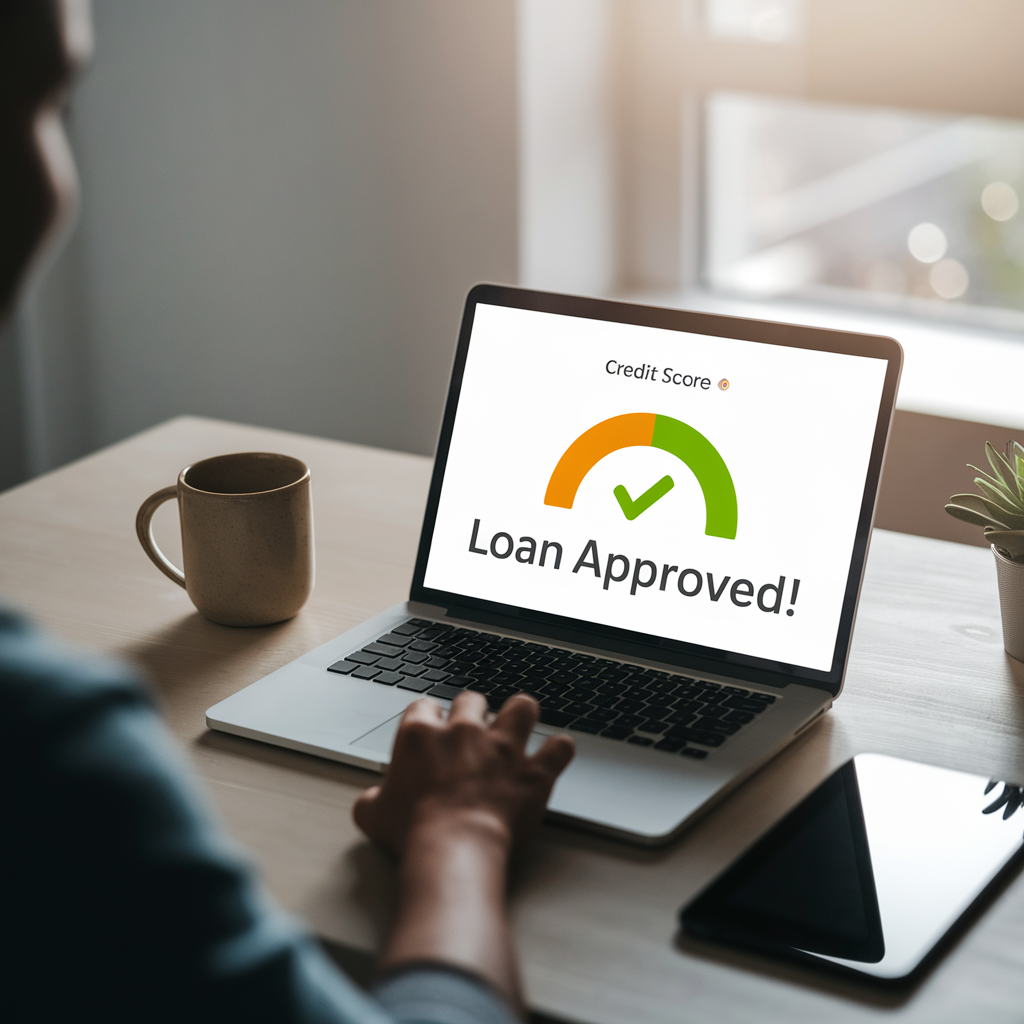
This is the moment most people Google “debt consolidation loans.” And here’s the thing — that’s not a bad instinct. But the question most people ask next is the wrong one. They ask, is debt consolidation a scam? or is it worth it? as if there’s a universal answer. There isn’t. The real question is much more specific: does a consolidation loan lower your total interest paid over time, or does it just lower your monthly payment while quietly extending your pain? Those are two completely different outcomes, and the loan industry has no incentive to help you tell them apart.

The Math Is the Only Thing That Matters Here
Let’s be concrete. Say you have $18,000 spread across three credit cards averaging 22% APR. You’re paying roughly $400 a month and making almost no dent in the principal. Over five years at that rate, you’d pay somewhere around $6,000 to $9,000 in interest alone — depending on how consistent you are and whether you add to the balances.
Now you qualify for a personal loan at 11% APR over 48 months. Your new monthly payment is around $465 — slightly higher — but you’re done in four years, and your total interest paid drops to roughly $4,000. You just saved $2,000 to $5,000 and bought yourself a finish line that actually exists.
That’s when consolidation works. When the rate is genuinely lower, the term is shorter or comparable, and you stop using the cards you just paid off.
Industry data consistently shows that borrowers who consolidate high-interest credit card debt into a lower-rate personal loan — and don’t accumulate new card balances — reduce their total interest burden significantly. The Federal Reserve’s consumer credit reports have tracked personal loan growth over recent years partly because of exactly this behavior: people trading 20%-plus card debt for single-digit or low-double-digit personal loans.
When It Doesn’t Save You Anything
Here’s where I’ll be direct, because the loan comparison sites rarely are: a 60-month or 72-month consolidation loan at 16% APR is not a rescue. It’s a repackage. You feel better because there’s one payment and one due date. But stretch $18,000 over six years at 16%, and you’re paying close to $10,000 in interest. That’s potentially more than you would have paid grinding through the cards on your own.
The math turns bad when:
- The loan rate is only 3–4 points lower than your cards but the term doubles
- The loan comes with an origination fee of 5–8% (which adds $900–$1,440 to your cost on an $18,000 loan before you make a single payment)
- You keep the credit cards open and start spending on them again within six months
- You consolidate secured debt (like a car loan) into unsecured personal debt — or vice versa — without understanding what you’re putting at risk
I’ve seen people go through consolidation cycles twice in three years. It doesn’t fix a spending problem. It doesn’t fix a job instability problem. It just reorganizes the furniture while the house is still on fire.
A Real Before-and-After (With the Ugly Part Included)
A friend of mine — I’ll call her Dana — had $23,000 in credit card debt at an average rate of around 21%. She was paying $550 a month and had been doing so for almost two years with barely any progress. Her credit score had recovered enough after a rough period to qualify her for a personal loan at 13.5% APR over 48 months. Monthly payment: around $660.
She took it. Paid off all four cards. And for eight months, it worked beautifully. Then her car needed $1,800 in repairs she didn’t have. She put it on one of the cards she’d just paid off — the one still sitting in her wallet because she didn’t want to close it and hurt her credit score.
By month 14, two of the cards had balances again. Not huge ones, but real ones. She was now paying the loan and minimum card payments. Her total monthly debt obligation went from $660 back up to around $850. The consolidation still helped her — the loan was at a lower rate than the cards — but the clean finish line she’d imagined got blurry fast.
She eventually got it under control, but not until she cut up two of the cards physically. That was the part no loan officer mentioned during the application process.
What Actually Determines If You’ll Qualify for a Rate Worth Having
This is where a lot of articles get vague. Let me be specific.
If your credit score is above 720, you’re likely to see personal loan offers in the 8–13% range from credit unions and online lenders. That spread versus a 22% card rate is meaningful. Run the numbers and consolidation probably wins.
If your score is in the 640–680 range, you’ll likely see rates between 16–22%. At that point, you’re essentially moving debt sideways. The only reason it might still make sense is if the single-payment structure helps you avoid late fees and the psychological benefit of simplicity keeps you on track. That’s a real benefit — just not a math one.
Below 620, the rates offered on personal loans often exceed what you’re already paying on the cards. Walk away. Focus on building the score first, or look into nonprofit credit counseling organizations that negotiate directly with creditors — those programs sometimes produce better outcomes without a new loan at all.
One more thing: credit unions consistently offer lower personal loan rates than big national banks for borrowers with mid-range credit scores. If you have a credit union membership you’ve been ignoring, this is the time to use it. The difference between a credit union at 11% and a national bank at 17% on a $15,000 loan over four years is real money — close to $2,500 in interest.
What Doesn’t Work (And Why People Keep Doing It Anyway)
Let me be blunt about four approaches that get pushed constantly and rarely deliver:
1. Balance transfer cards with 0% intro APR. Great in theory. In practice, most people don’t pay off the balance before the promotional period ends — and then the rate jumps to 26–29%. The transfer fee (usually 3–5%) also adds up fast. If you have the discipline to pay it off in 15 months, great. Most don’t.
2. Home equity loans to pay off credit cards. You are converting unsecured debt into debt backed by your house. If your income dips, you’re not just facing bad credit — you’re facing foreclosure. The rate might look attractive. The risk profile is completely different.
3. Consolidating without cutting the cards. This is the Dana situation. The consolidation loan doesn’t close the credit cards. You have to do that manually, or at least freeze them in a drawer. Leaving them accessible and open is like filling your gas tank while leaving a slow leak in the line.
4. Using a consolidation loan to also fund “one small thing.” Taking $18,000 in debt and rolling it into a $21,000 loan because you also need a new laptop and want to cover a vacation is not debt consolidation. It’s debt expansion with a lower payment. The loan company will happily approve it. That doesn’t mean you should take it.
The Specific Questions to Ask Before You Sign
Before you apply anywhere, calculate three numbers:
- Total interest you’ll pay on existing debt if you continue minimum payments (most credit card statements now show this — it’s usually on the back of the statement or in your online account)
- Total interest you’ll pay on the consolidation loan at the rate you’re offered, over the full term
- The origination fee, added to the loan’s total interest cost — this is your true cost of the new loan
If number two plus number three is less than number one, the math works. If it isn’t, it doesn’t. That’s the whole decision tree, honestly.
Also ask the lender directly: does this loan have a prepayment penalty? Some do. If you come into money and want to pay it off early, you should be able to without a fee.
Three Small Things You Can Do This Week
You don’t have to make a big move today. Start here:
Tonight: Log into each of your credit card accounts and find the “payoff summary” or “interest charges” section. Write down the current balance, the interest rate, and the minimum payment for each card. Just that. Five minutes.
This week: Check your credit score through your bank or a free service — not an estimate, the actual number — so you know roughly what rate tier you’re likely to qualify for before you apply anywhere. Applying without knowing your score is like negotiating a car price without knowing what you can afford.
Before you apply anywhere: Use a personal loan calculator (any basic one will do) to run the comparison — what you’ll pay total on your current debt versus what you’d pay on a consolidation loan at the rate you’d likely receive. If the consolidation wins by $1,500 or more, it’s worth pursuing. If it’s a wash, keep looking for a better rate or a different strategy.
The sticky note on your kitchen table isn’t the problem. The problem is not knowing which path actually gets you past it. Now you have the math to figure that out.