Consolidating Debt with Personal Loans in 2026
In the ever-evolving financial landscape of 2026, one challenge that continues to plague many Americans is the burden of accumulated debt. As the cost of living rises and economic uncertainties linger, more and more individuals are seeking effective ways to manage their financial obligations. One solution that has gained significant traction in recent years is the use of personal loans for debt consolidation.

The Benefits of Debt Consolidation with Personal Loans
Consolidating multiple debts into a single personal loan can offer a multitude of advantages. Firstly, it allows borrowers to simplify their monthly payments by combining various outstanding balances into a single, manageable installment. This streamlining of payments can help individuals stay organized and on top of their financial responsibilities, reducing the risk of missed or late payments.
Moreover, personal loans often come with lower interest rates compared to high-interest credit cards or other forms of debt. By securing a personal loan with a more favorable rate, borrowers can potentially save a significant amount of money over the life of the loan, as the reduced interest charges can translate to substantial long-term savings. This can be particularly beneficial for those struggling with high-interest debt, such as credit card balances or payday loans.
Another key benefit of debt consolidation with personal loans is the opportunity to extend the repayment period. Rather than being locked into a rigid timeline, borrowers can often choose a loan term that aligns with their financial capabilities, allowing for more manageable monthly payments. This flexibility can provide much-needed breathing room and help individuals regain control over their finances.
Preparing for Debt Consolidation in 2026
As you consider consolidating your debts with a personal loan in 2026, it’s important to take a proactive approach and ensure you’re well-prepared. Here are some steps to consider:
1. Assess Your Debt Situation
Begin by compiling a comprehensive list of all your outstanding debts, including the balances, interest rates, and minimum monthly payments. This will give you a clear understanding of your current financial landscape and help you determine the optimal debt consolidation strategy.
2. Check Your Credit Score
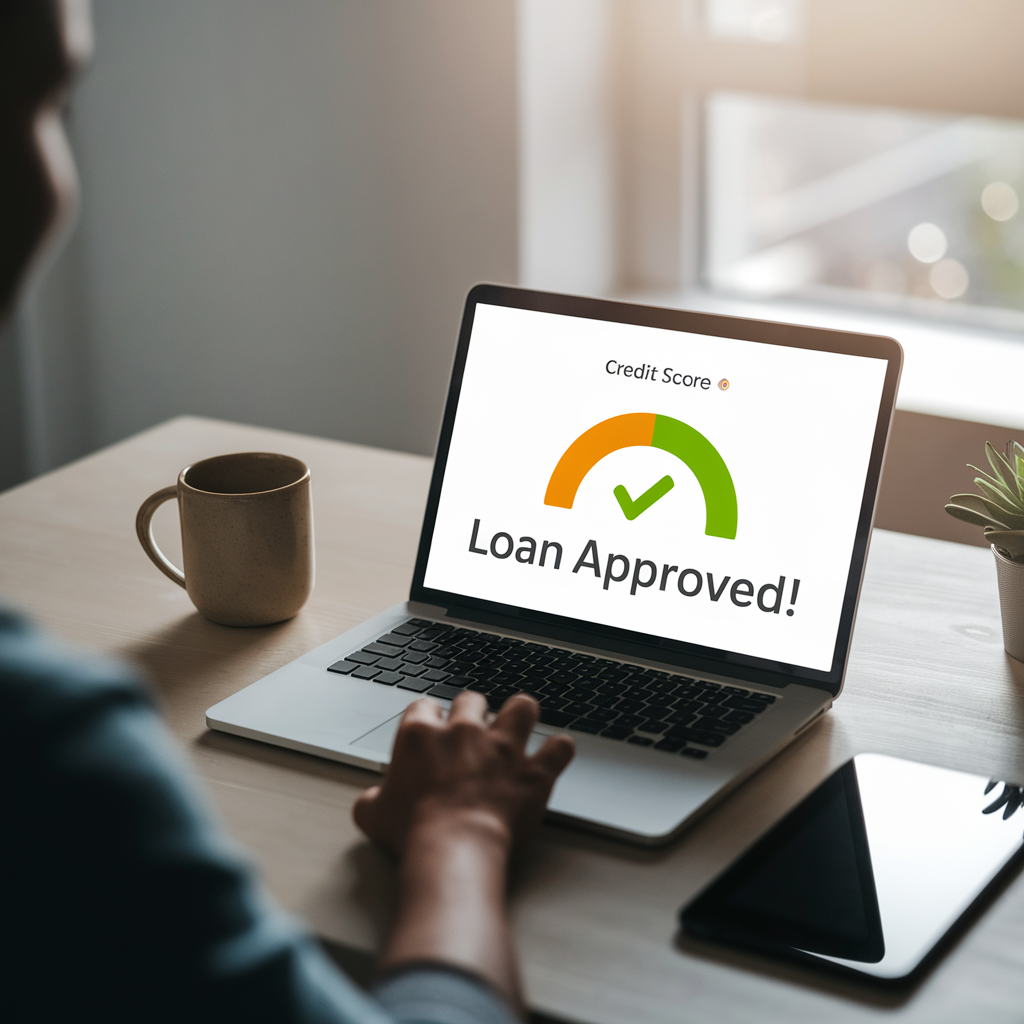
Your credit score is a crucial factor in securing a favorable personal loan. Review your credit report and take steps to address any errors or discrepancies. If your credit score is on the lower end, consider taking steps to improve it, such as paying down existing balances and making timely payments, before applying for a consolidation loan.
3. Shop Around for the Best Rates and Terms
Once you have a clear picture of your debt and credit profile, it’s time to start researching and comparing personal loan options. Reach out to multiple lenders, including banks, credit unions, and online platforms, to explore the available interest rates, loan terms, and fees. This will help you identify the most suitable personal loan for your needs.
4. Understand the Loan Terms and Conditions
Before signing on the dotted line, carefully review the terms and conditions of the personal loan you’ve selected. Pay close attention to the interest rate, repayment period, any fees or penalties, and the overall impact on your monthly budget. Ensure that the loan aligns with your financial goals and that you’re comfortable with the commitment.
5. Develop a Debt Repayment Plan
With your personal loan in place, it’s crucial to develop a comprehensive debt repayment plan. Determine a realistic budget that allows you to make your monthly loan payments on time and, if possible, consider making additional payments to accelerate the debt payoff process. Staying disciplined and committed to your repayment plan will be key to successfully eliminating your consolidated debt.
Potential Pitfalls to Avoid
While debt consolidation with personal loans can be a powerful financial tool, it’s important to be mindful of potential pitfalls that could undermine your progress. Here are a few common challenges to watch out for:
Overspending and Accumulating New Debt
One of the primary risks of debt consolidation is the temptation to continue spending and accumulating new debt. It’s crucial to break the cycle of overspending and develop healthy financial habits to ensure that the consolidated debt does not simply grow again over time.
Extending the Repayment Period
While longer loan terms can provide more manageable monthly payments, they also mean that you’ll be paying interest for a longer period. This can result in paying more in total interest over the life of the loan. It’s important to strike a balance between affordability and the overall cost of the debt consolidation.
Potential Impact on Credit Score
Applying for a personal loan and closing existing accounts can temporarily impact your credit score. However, as you consistently make on-time payments on your consolidated debt, your credit score should start to improve over time.
Conclusion
In the ever-evolving financial landscape of 2026, debt consolidation with personal loans remains a viable and compelling option for many Americans struggling with the burden of accumulated debt. By taking advantage of the benefits offered by personal loans, such as lower interest rates, simplified monthly payments, and flexible repayment terms, individuals can regain control over their finances and work towards a more financially secure future.
However, it’s crucial to approach the debt consolidation process with caution and diligence, carefully assessing your current debt situation, preparing your credit profile, and developing a robust repayment plan. By avoiding common pitfalls and staying committed to your financial goals, you can successfully navigate the path to debt freedom and achieve greater financial stability in the years to come.