
Debt Consolidation Strategies for 2026: Personal Loans Explained
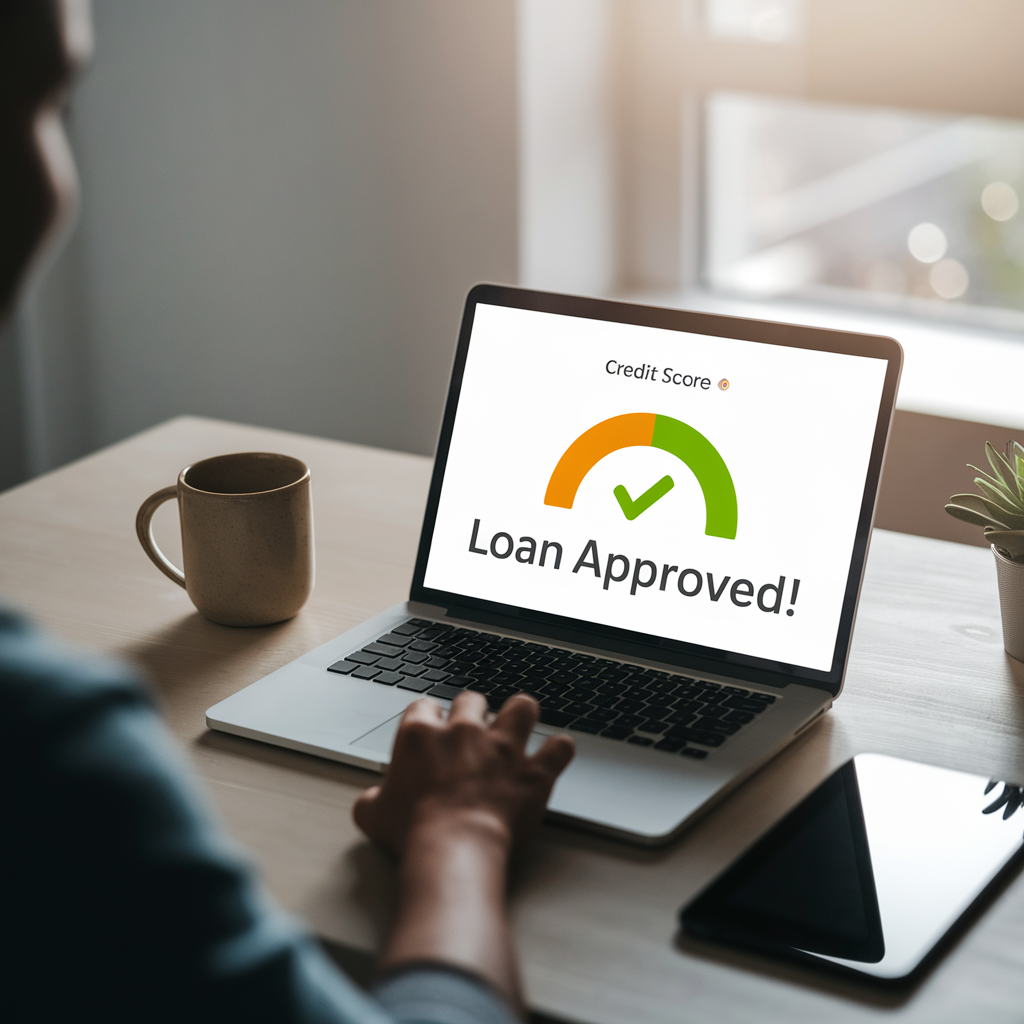
As we move into 2026, the financial landscape continues to evolve, and managing debt has become an increasingly pressing concern for many Americans. One strategy that has gained significant traction in recent years is debt consolidation, and personal loans have emerged as a popular option for individuals looking to streamline their debt payments. In this comprehensive article, we’ll explore the ins and outs of debt consolidation using personal loans, providing you with the insights and strategies you need to make informed financial decisions in the year ahead.

Understanding Debt Consolidation
Debt consolidation is the process of combining multiple debts, such as credit card balances, personal loans, and other outstanding obligations, into a single, more manageable payment. The primary goal of debt consolidation is to simplify the repayment process, often by securing a lower interest rate and potentially extending the repayment period. This approach can help individuals regain control over their finances, reduce the burden of multiple monthly payments, and potentially save money in the long run.
The Rise of Personal Loans for Debt Consolidation
In recent years, personal loans have emerged as a popular choice for debt consolidation. These unsecured loans, which do not require collateral, offer several advantages that make them an attractive option for individuals looking to streamline their debt management.
Competitive Interest Rates
One of the key benefits of using a personal loan for debt consolidation is the potential to secure a lower interest rate compared to credit cards or other high-interest debt. As the personal loan market has become increasingly competitive, lenders have been offering more favorable terms to borrowers, making it easier to find a loan with a lower interest rate than the average credit card.
Flexible Repayment Terms
Personal loans typically offer a range of repayment terms, from 12 months to 84 months or more. This flexibility allows borrowers to choose a repayment schedule that aligns with their budget and financial goals, whether it’s a shorter-term loan to pay off debt quickly or a longer-term option to reduce the monthly payments.
Simplified Debt Management
By consolidating multiple debts into a single personal loan, borrowers can streamline their monthly payments, making it easier to stay on top of their financial obligations. This simplification can also help improve credit scores by reducing the number of open accounts and minimizing the risk of missed or late payments.
Preparing for a Successful Debt Consolidation Loan
Before applying for a personal loan to consolidate your debt, it’s important to take a few important steps to ensure a smooth and successful process.
Assess Your Debt
Begin by carefully reviewing your current debt situation, including the total amount owed, interest rates, and monthly payments for each outstanding obligation. This information will be crucial in determining the appropriate size and terms of the personal loan you’ll need.
Check Your Credit Score
Your credit score is a key factor in determining the interest rate and terms you’ll be offered for a personal loan. Review your credit report and take steps to improve your credit score, if necessary, before applying for a loan.
Shop Around for Lenders
Research and compare multiple lenders to find the best rates and terms for your debt consolidation needs. Consider factors such as interest rates, fees, repayment periods, and any additional features or benefits offered by the lender.
Prepare Your Documentation
Gather all the necessary documentation, such as proof of income, employment information, and details about your existing debts. Having these materials ready will streamline the application process and increase your chances of approval.
Evaluating Debt Consolidation Loan Options
When it comes to selecting a personal loan for debt consolidation, there are several key factors to consider:
Interest Rates
As mentioned earlier, securing a lower interest rate is one of the primary benefits of using a personal loan for debt consolidation. Compare the interest rates offered by different lenders to find the most competitive option.
Loan Amounts
Ensure that the loan amount you’re applying for is sufficient to cover the total outstanding debt you’re looking to consolidate. This will help you avoid taking on additional debt or leaving some obligations unresolved.
Repayment Terms
Consider the length of the repayment period and how it aligns with your financial goals. Shorter-term loans may have higher monthly payments but can help you become debt-free more quickly, while longer-term options can provide lower monthly payments but may result in more interest paid over the life of the loan.
Fees and Charges
Be mindful of any additional fees or charges associated with the personal loan, such as origination fees, prepayment penalties, or late payment fees. These can impact the overall cost of the debt consolidation process.
Maximizing the Benefits of Debt Consolidation
Once you’ve secured a personal loan for debt consolidation, there are several strategies you can employ to ensure you get the most out of the process:
Create a Repayment Plan
Develop a detailed repayment plan that outlines your monthly payments and the timeline for becoming debt-free. Stick to this plan diligently to avoid any setbacks or additional interest charges.
Avoid New Debt
One of the key benefits of debt consolidation is the opportunity to break the cycle of accumulating new debt. Commit to using the personal loan solely for consolidating existing obligations and refrain from taking on any new debt during the repayment period.
Monitor Your Credit Score
Regularly check your credit score to ensure that the debt consolidation process is having a positive impact. As you make timely payments and reduce your overall debt burden, your credit score should improve, potentially opening up new financial opportunities in the future.
Explore Additional Savings Strategies
Consider pairing your debt consolidation efforts with other money-saving strategies, such as creating a budget, cutting unnecessary expenses, or finding ways to increase your income. This holistic approach can help you achieve your financial goals more quickly.
Conclusion
As we move into 2026, debt consolidation using personal loans remains a viable and attractive option for individuals looking to simplify their debt management and potentially save money in the long run. By understanding the benefits of this strategy, preparing thoroughly, and implementing effective repayment practices, you can take control of your financial future and achieve greater financial stability and freedom.
Remember, the key to successful debt consolidation is to approach the process with a well-informed and disciplined mindset. By following the strategies outlined in this article, you’ll be well on your way to a more streamlined and manageable debt landscape in the years to come.