“Debt Consolidation Strategies for Modern US Consumers in 2026”
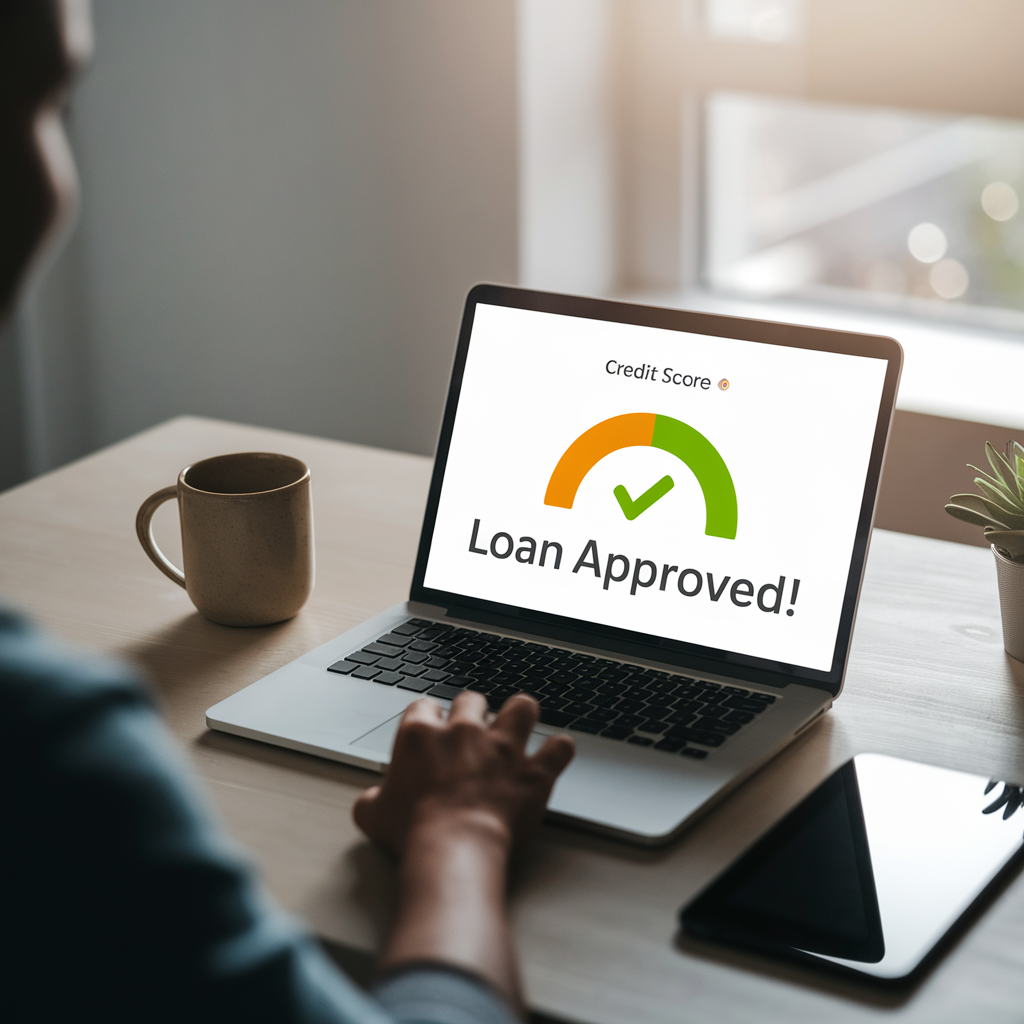
In the ever-evolving landscape of personal finance, the year 2026 has brought forth new challenges and opportunities for US consumers. As the economy continues to fluctuate, many individuals find themselves grappling with the burden of multiple debts, each with its own interest rates, payment schedules, and terms. This article explores the essential debt consolidation strategies that modern US consumers can leverage to streamline their financial obligations and achieve greater financial stability.

The Rise of Debt in the US: A Changing Landscape
Over the past decade, the US has witnessed a significant increase in consumer debt, driven by factors such as rising healthcare costs, the lingering impact of the COVID-19 pandemic, and the growing reliance on credit cards and personal loans to finance everyday expenses. According to the latest data from the Federal Reserve, the total household debt in the US reached a staggering $16.15 trillion in 2025, a 4.4% increase from the previous year.
This surge in debt has placed a significant burden on many US consumers, who find themselves juggling multiple payments, each with its own set of interest rates and repayment schedules. The resulting financial stress can have far-reaching consequences, including decreased credit scores, limited access to future financing, and the inability to save for long-term goals, such as retirement or major purchases.
The Emergence of Debt Consolidation: A Holistic Approach
In response to this growing challenge, debt consolidation has emerged as a powerful tool for modern US consumers. Debt consolidation involves combining multiple debts into a single, more manageable payment, often at a lower interest rate. This strategy not only simplifies the repayment process but also has the potential to reduce the overall cost of debt over time.
By consolidating debts, consumers can benefit from several key advantages, including:
- Simplified Payments: Combining multiple debts into a single monthly payment can help streamline the repayment process, making it easier to stay on top of financial obligations.
- Potentially Lower Interest Rates: Debt consolidation loans or balance transfer credit cards may offer lower interest rates than the original debts, leading to significant long-term savings.
- Improved Credit Utilization: Consolidating debts can help improve the consumer’s credit utilization ratio, which is a key factor in determining credit scores.
- Faster Debt Repayment: By consolidating debts and potentially securing a lower interest rate, consumers may be able to pay off their obligations more quickly, reducing the overall duration of the debt.
Strategies for Effective Debt Consolidation in 2026
As US consumers navigate the evolving financial landscape in 2026, several debt consolidation strategies have emerged as particularly effective. Let’s explore these strategies in detail:
1. Debt Consolidation Loans
One of the most popular debt consolidation strategies is the use of a debt consolidation loan. These loans, offered by banks, credit unions, and online lenders, allow consumers to combine multiple debts into a single, fixed-rate loan with a lower interest rate and a more manageable repayment schedule.
When considering a debt consolidation loan, it’s important to compare offers from multiple lenders, as interest rates and terms can vary significantly. Consumers should also be mindful of any fees associated with the loan, such as origination fees or prepayment penalties, and ensure that the overall cost of the loan is lower than the combined cost of the original debts.
2. Balance Transfer Credit Cards
Another effective debt consolidation strategy involves the use of balance transfer credit cards. These cards offer consumers the opportunity to transfer balances from high-interest credit cards to a new card with a low or even 0% introductory APR for a specified period, typically 12-24 months.
By taking advantage of the promotional APR, consumers can save significantly on interest charges and focus on paying down the principal balance. However, it’s crucial to develop a repayment plan that ensures the debt is paid off before the promotional period expires, as the interest rate may revert to a higher standard APR thereafter.
3. Home Equity Loans or Lines of Credit
For homeowners, tapping into the equity in their property can be a viable debt consolidation strategy. Home equity loans or lines of credit (HELOCs) allow consumers to use the value of their home as collateral to secure a loan at a potentially lower interest rate than unsecured debts, such as credit cards or personal loans.
While this approach can provide access to lower-interest financing, it’s crucial for consumers to carefully consider the risks involved, as defaulting on a home equity loan or HELOC could result in the loss of their home. Additionally, consumers should be mindful of the closing costs and fees associated with these types of loans.
4. Debt Management Programs
For individuals who are struggling to manage multiple debts, a debt management program (DMP) offered by a nonprofit credit counseling agency can be a helpful solution. These programs work with creditors to negotiate lower interest rates and more manageable payment plans, allowing consumers to consolidate their debts into a single monthly payment.
While a DMP may not involve the consolidation of debts into a single loan, it can provide a structured repayment plan and the guidance of a credit counselor, which can be particularly beneficial for those with complex financial situations or who are facing financial hardship.
Navigating the Challenges of Debt Consolidation
While debt consolidation can be a powerful tool for modern US consumers, it’s essential to navigate the process with caution and diligence. Some key challenges to consider include:
- Eligibility Requirements: Lenders may have specific credit score, income, and debt-to-income ratio requirements for debt consolidation loans or balance transfer credit cards, which can limit accessibility for some consumers.
- Potential for Increased Debt: If consumers are not disciplined in their spending habits, they may be tempted to accumulate additional debt after consolidating their existing obligations.
- Impact on Credit Scores: Applying for multiple debt consolidation loans or balance transfers can temporarily impact a consumer’s credit score due to hard inquiries on their credit report.
- Ongoing Commitment: Successful debt consolidation requires a long-term commitment to the repayment plan, as the benefits may not be immediately apparent.
Conclusion: Empowering US Consumers in 2026
As the financial landscape continues to evolve, debt consolidation strategies have become increasingly crucial for modern US consumers. By leveraging tools such as debt consolidation loans, balance transfer credit cards, home equity financing, and debt management programs, individuals can streamline their debt obligations, potentially reduce interest charges, and work towards achieving greater financial stability.
However, it’s essential for consumers to approach debt consolidation with a well-informed and disciplined mindset, carefully evaluating the risks and benefits of each strategy to ensure that it aligns with their long-term financial goals. By embracing these debt consolidation strategies, US consumers in 2026 can take a significant step towards regaining control over their finances and building a more secure financial future.