Peer-to-Peer Online Lending for Debt Consolidation in 2026
In the ever-evolving landscape of personal finance, the year 2026 has ushered in a new era of debt management solutions. One such innovative approach that has gained significant traction is the rise of peer-to-peer (P2P) online lending for debt consolidation. As the digital revolution continues to transform the financial industry, this emerging trend offers individuals a unique opportunity to take control of their financial well-being and streamline their debt obligations.
The Changing Dynamics of Debt Consolidation
Traditionally, individuals seeking to consolidate their debts have relied on traditional financial institutions, such as banks and credit unions, to obtain debt consolidation loans. However, the landscape has shifted dramatically in recent years, with the emergence of online P2P lending platforms becoming a viable and often more accessible alternative.
These P2P platforms connect borrowers directly with individual lenders, bypassing the traditional intermediaries. This disruptive model has empowered borrowers by providing them with a wider range of options, more competitive interest rates, and a more personalized approach to debt consolidation. Leveraging the power of technology and the growing trend of collaborative finance, P2P lending has become a game-changer in the world of debt management.
The Benefits of P2P Lending for Debt Consolidation
The rise of P2P lending for debt consolidation has brought forth a multitude of advantages for borrowers, making it an increasingly attractive solution in 2026. Some of the key benefits include:
Competitive Interest Rates
One of the primary draws of P2P lending is the potential for more favorable interest rates compared to traditional financial institutions. By connecting borrowers directly with individual lenders, P2P platforms can often offer lower interest rates, as they have lower overhead costs and a more streamlined approval process.
Flexible Repayment Terms
P2P lending platforms typically offer a range of repayment options, allowing borrowers to tailor the loan terms to their specific financial needs. This flexibility enables borrowers to choose repayment schedules that better align with their income and budget, making the debt consolidation process more manageable.
Improved Credit Scores
Consolidating multiple debts into a single P2P loan can have a positive impact on an individual’s credit score. By simplifying the repayment process and potentially reducing the overall interest burden, P2P debt consolidation can help borrowers improve their credit utilization ratio and demonstrate responsible financial behavior to credit bureaus.
Personalized Approach
Unlike traditional lenders, P2P platforms often take a more personalized approach to the loan application and approval process. Borrowers can share their unique financial circumstances and goals, allowing the platform to match them with lenders who are more likely to approve their loan request based on their individual profile.
The P2P Lending Landscape in 2026
The P2P lending industry has undergone significant growth and evolution over the past decade, and the landscape in 2026 reflects this transformation. Here are some key developments in the P2P lending ecosystem:
Increased Regulatory Oversight
As the P2P lending industry has matured, regulatory bodies have implemented stricter guidelines and oversight measures to ensure consumer protection and market stability. This has led to greater transparency, enhanced risk management practices, and increased trust in the P2P lending ecosystem.
Expansion of Platform Offerings
Leading P2P lending platforms have expanded their product offerings to cater to a wider range of borrower needs. In addition to debt consolidation loans, these platforms now offer options for personal loans, small business financing, and even real estate investments, providing borrowers with a more comprehensive suite of financial solutions.
Increased Institutional Participation
The P2P lending market has attracted the attention of institutional investors, such as hedge funds and asset management firms. These entities have begun to allocate a portion of their investment portfolios to P2P loans, providing additional liquidity and diversification to the market.
Enhanced Risk Assessment and Underwriting
P2P lending platforms have significantly improved their risk assessment and underwriting processes, leveraging advanced data analytics and machine learning algorithms to better evaluate borrower creditworthiness. This has led to more accurate risk pricing and a more efficient allocation of capital, benefiting both borrowers and lenders.
Navigating the P2P Lending Process for Debt Consolidation
For individuals seeking to consolidate their debts through P2P lending, the process typically involves the following steps:
Research and Comparison
- Explore and compare various P2P lending platforms to find the one that best fits your financial needs and preferences.
- Review the platform’s eligibility criteria, loan terms, interest rates, and fees to ensure it aligns with your debt consolidation goals.
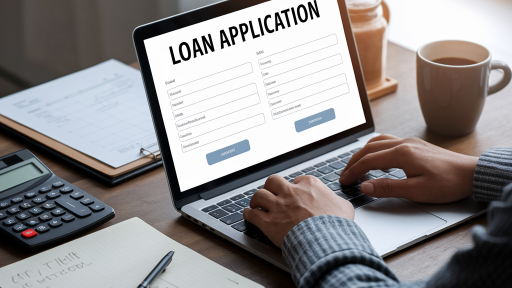
Loan Application and Approval
- Gather the necessary financial information, such as income, debt details, and credit history, to complete the loan application.
- Submit the application and undergo the platform’s underwriting and approval process, which may involve a credit check and evaluation of your financial profile.
Loan Disbursement and Debt Consolidation
- Upon loan approval, the P2P platform will disburse the funds directly to your creditors, consolidating your existing debts into a single, more manageable loan.
- You will then make regular payments to the P2P platform, which will distribute the funds to the individual lenders who funded your loan.
Conclusion
The rise of P2P online lending for debt consolidation in 2026 has ushered in a new era of financial empowerment for individuals struggling with multiple debt obligations. By leveraging the power of technology and the collaborative nature of peer-to-peer financing, borrowers can now access more favorable interest rates, flexible repayment terms, and a personalized approach to debt management.
As the P2P lending industry continues to evolve, with increased regulatory oversight, expanded platform offerings, and enhanced risk assessment capabilities, this innovative solution is poised to become an increasingly attractive option for those seeking to consolidate their debts and regain control of their financial well-being. By exploring the benefits of P2P lending for debt consolidation, borrowers in 2026 can take a significant step towards achieving their financial goals and building a more secure financial future.