
“Unexpected Medical Costs in 2026? Get a Personal Loan”
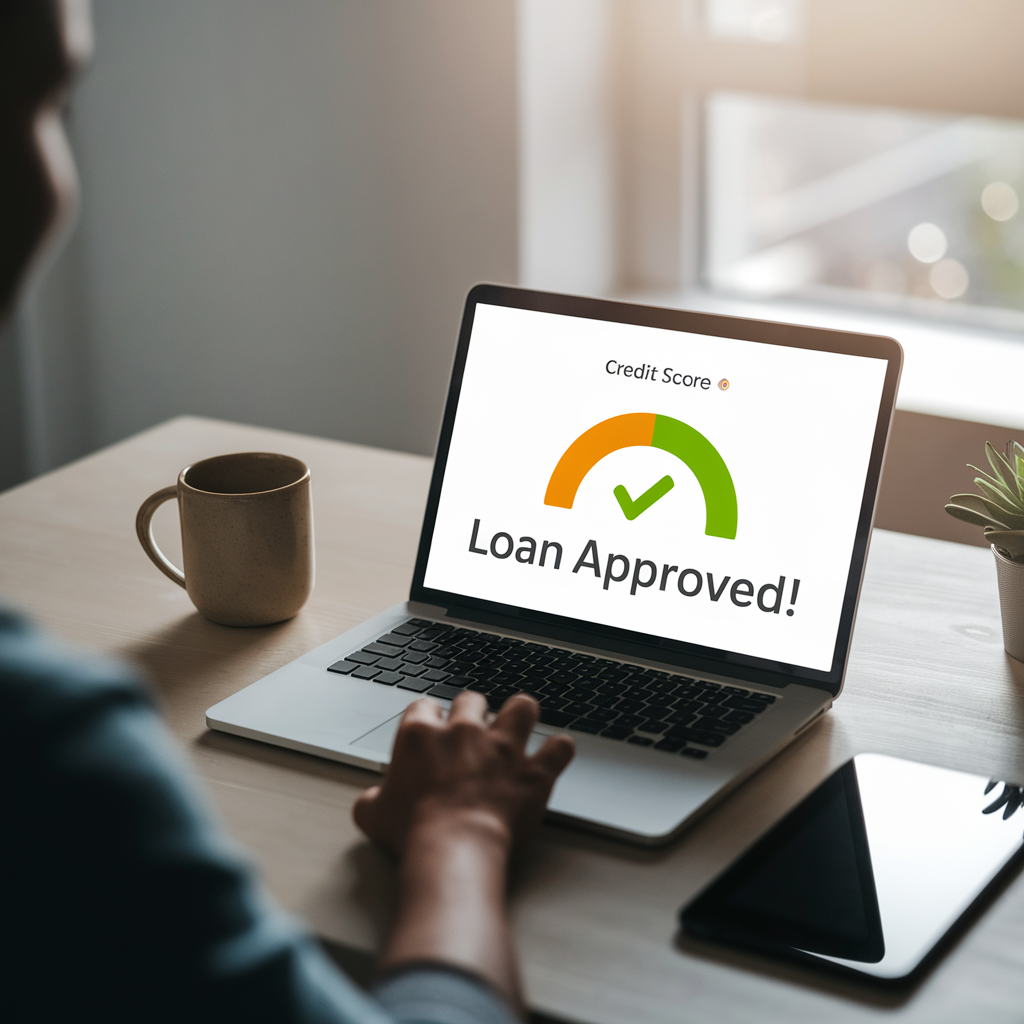
In the ever-evolving landscape of healthcare, 2026 has brought its fair share of financial challenges for Americans. With the cost of medical services continuing to rise, even the most prudent individuals can find themselves facing unexpected expenses that strain their budgets. Fortunately, personal loans have emerged as a viable solution to help navigate these unforeseen medical costs.

The Changing Healthcare Landscape in 2026
Over the past decade, the US healthcare system has undergone a series of transformations, both in terms of coverage and costs. While the Affordable Care Act (ACA) has expanded access to insurance for millions of Americans, the out-of-pocket expenses associated with medical care have continued to climb. In 2026, the average annual deductible for employer-sponsored health insurance plans has reached an all-time high of $2,500 for individual coverage and $5,000 for family plans.
Furthermore, the rise of high-deductible health plans (HDHPs) has shifted a greater financial burden onto consumers. These plans, designed to lower monthly premiums, often require individuals to pay a significant portion of their healthcare expenses before the insurance coverage kicks in. As a result, even routine medical procedures, such as annual check-ups or minor treatments, can quickly add up and create unanticipated financial strain.
Navigating Unexpected Medical Expenses
In 2026, the unpredictability of healthcare costs has become a significant concern for many Americans. A sudden illness, an unexpected injury, or the need for specialized treatment can easily lead to medical bills that far exceed one’s available savings. This is where personal loans have emerged as a valuable financial tool to help bridge the gap.
The Benefits of Personal Loans for Medical Expenses
Personal loans offer several advantages when it comes to managing unexpected medical costs:
- Flexible Repayment Terms: Personal loans typically come with repayment periods ranging from 12 to 84 months, allowing borrowers to tailor the loan to their specific financial situation and budget.
- Competitive Interest Rates: In the current economic climate, personal loan interest rates have remained relatively low, often ranging from 6% to 18% APR, depending on the borrower’s creditworthiness and other factors.
- Faster Approval Process: Compared to traditional bank loans or credit card applications, the process for obtaining a personal loan has become increasingly streamlined, with many lenders offering approval decisions within a matter of days.
- Versatility: Personal loans can be used to cover a wide range of medical expenses, including deductibles, copays, prescription costs, and even the price of alternative treatments or therapies not covered by insurance.
Preparing for the Unexpected
While the unpredictability of healthcare costs in 2026 can be daunting, proactive financial planning and the strategic use of personal loans can help mitigate the impact of unexpected medical expenses.
Building an Emergency Fund
One of the most effective ways to prepare for unexpected medical costs is to establish a robust emergency fund. Experts recommend that individuals aim to save enough to cover at least three to six months’ worth of living expenses, including potential healthcare-related costs. By having this financial cushion in place, individuals can better absorb the impact of unexpected medical bills and potentially avoid the need for a personal loan altogether.
Reviewing Insurance Coverage
In the ever-changing healthcare landscape, it is crucial for individuals to regularly review their insurance coverage to ensure that it aligns with their current needs and budget. This may involve comparing different plan options during open enrollment periods, exploring the potential benefits of switching to a lower-deductible plan, or investigating supplemental insurance policies that can provide additional protection against out-of-pocket expenses.
Exploring Alternative Treatment Options
In some cases, individuals may be able to find more cost-effective alternatives to traditional medical treatments. This could include exploring telemedicine services, which have become increasingly prevalent in 2026, or seeking out clinics or providers that offer discounted rates for uninsured or underinsured patients. Additionally, some individuals may find that alternative therapies, such as acupuncture or chiropractic care, can provide relief for certain medical conditions at a lower cost.
Applying for a Personal Loan
When unexpected medical expenses arise and existing savings or insurance coverage are insufficient, a personal loan can be a valuable financial tool. The process of applying for and obtaining a personal loan has become increasingly streamlined in 2026, with many lenders offering online application platforms and quick approval decisions.
Choosing the Right Lender
When selecting a personal loan provider, it is essential to compare offers from multiple lenders to find the most favorable terms. Factors to consider include the interest rate, repayment period, any fees or origination charges, and the lender’s reputation for customer service and transparency.
Preparing the Application
To increase the chances of approval and secure the best possible terms, borrowers should gather the necessary documentation, such as proof of income, employment information, and details about the specific medical expenses they need to cover. By presenting a clear and comprehensive application, borrowers can demonstrate their creditworthiness and financial stability to the lender.
Budgeting for Repayment
Once the personal loan is approved and the funds are received, it is crucial to develop a realistic repayment plan. Borrowers should carefully review the loan terms, including the monthly payment amount and the total interest that will be paid over the life of the loan. By incorporating the personal loan repayment into their overall budget, individuals can ensure that they can comfortably manage the additional financial obligation without compromising their other financial goals.
Conclusion
In the face of the evolving healthcare landscape in 2026, unexpected medical costs have become an increasingly common challenge for Americans. However, by leveraging the benefits of personal loans, individuals can access the necessary funds to cover these unexpected expenses and maintain their financial well-being.
By understanding the changing dynamics of the healthcare system, exploring alternative treatment options, and proactively planning for the unexpected, individuals can better prepare themselves to navigate the complexities of medical costs. Furthermore, the streamlined application process and flexible repayment terms of personal loans make them a valuable financial tool for managing unexpected medical bills.
As you navigate the healthcare landscape in 2026, remember that you have the power to take control of your financial future. By exploring the options available to you, including personal loans, you can ensure that unexpected medical costs do not derail your long-term financial goals.